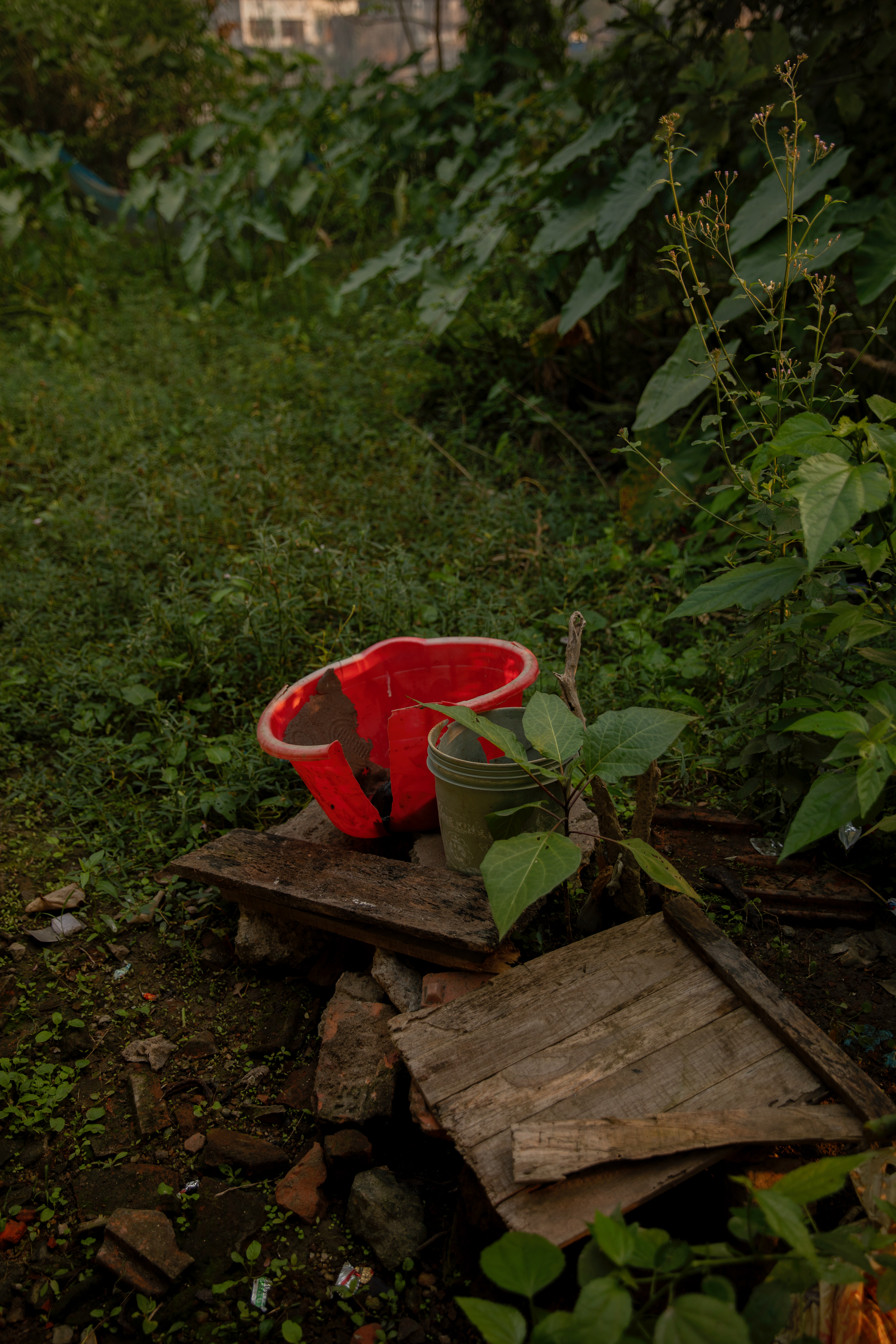
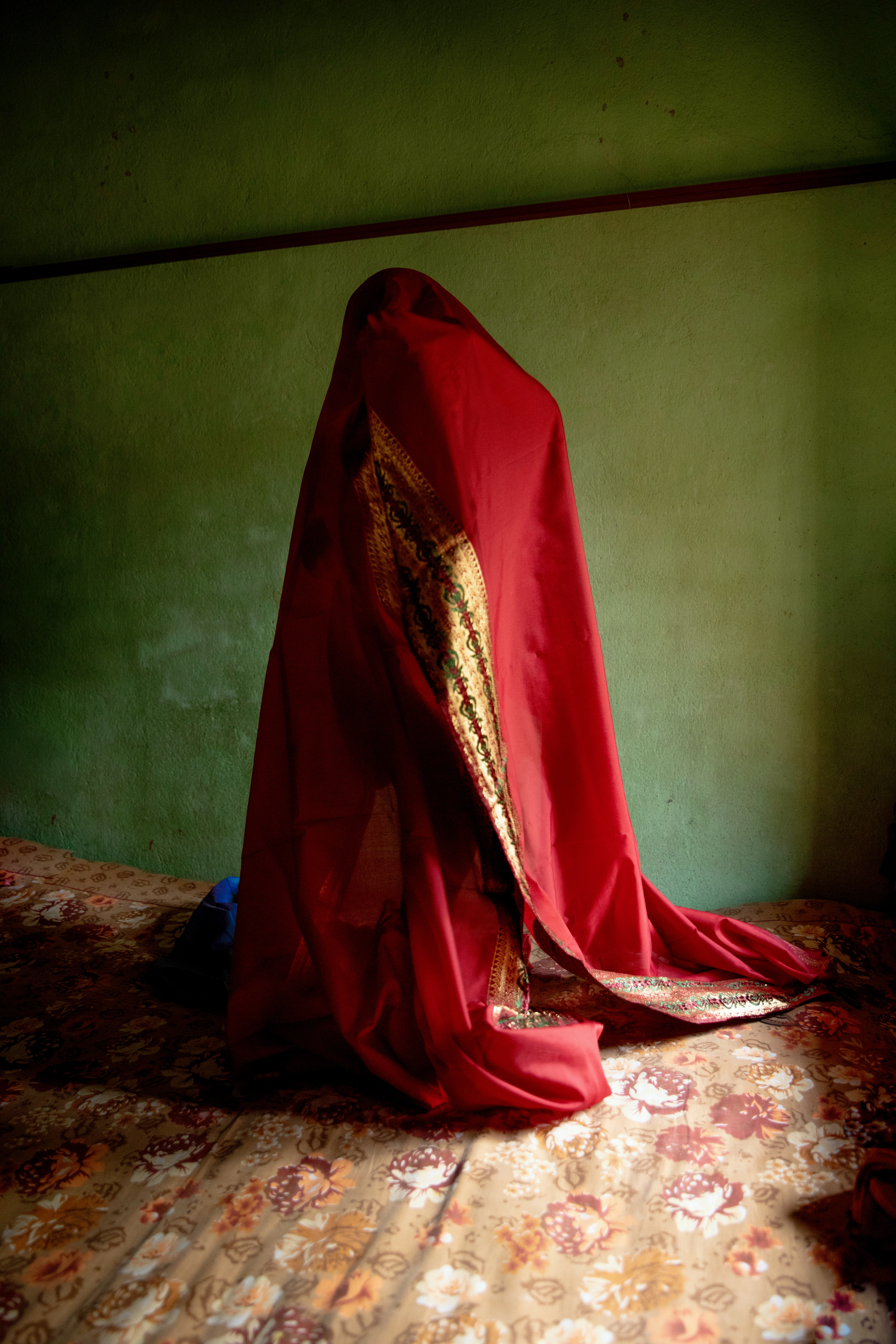
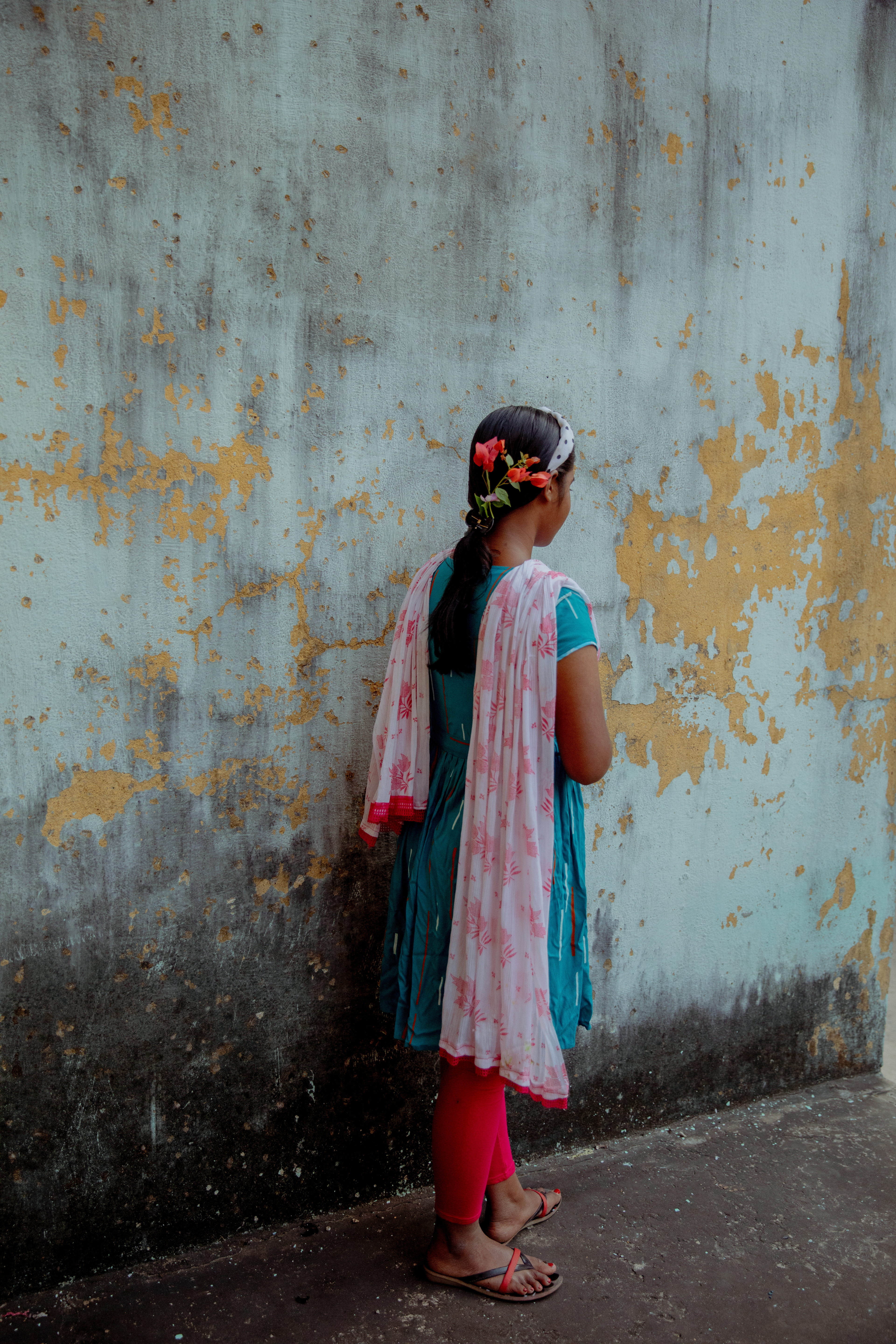
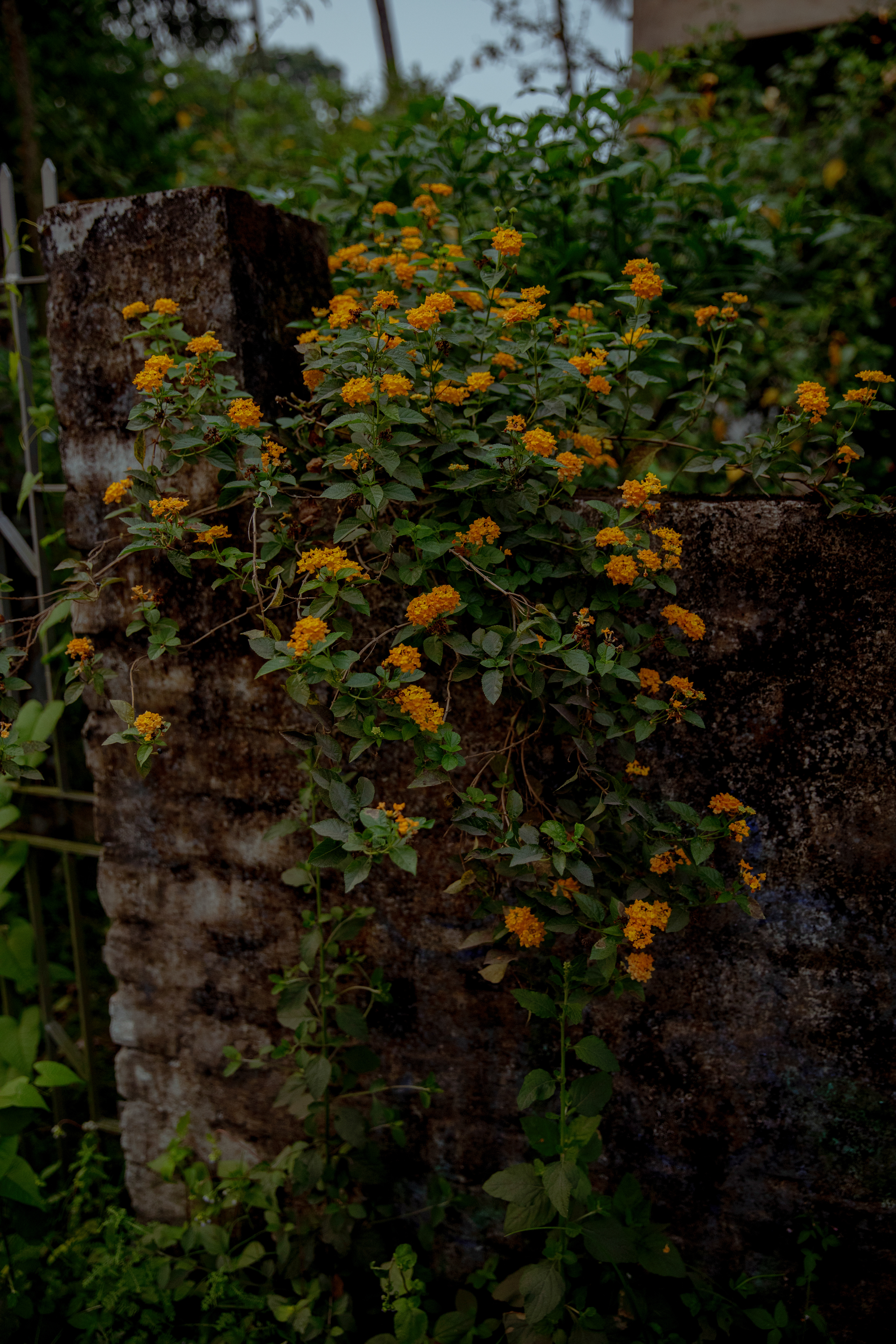
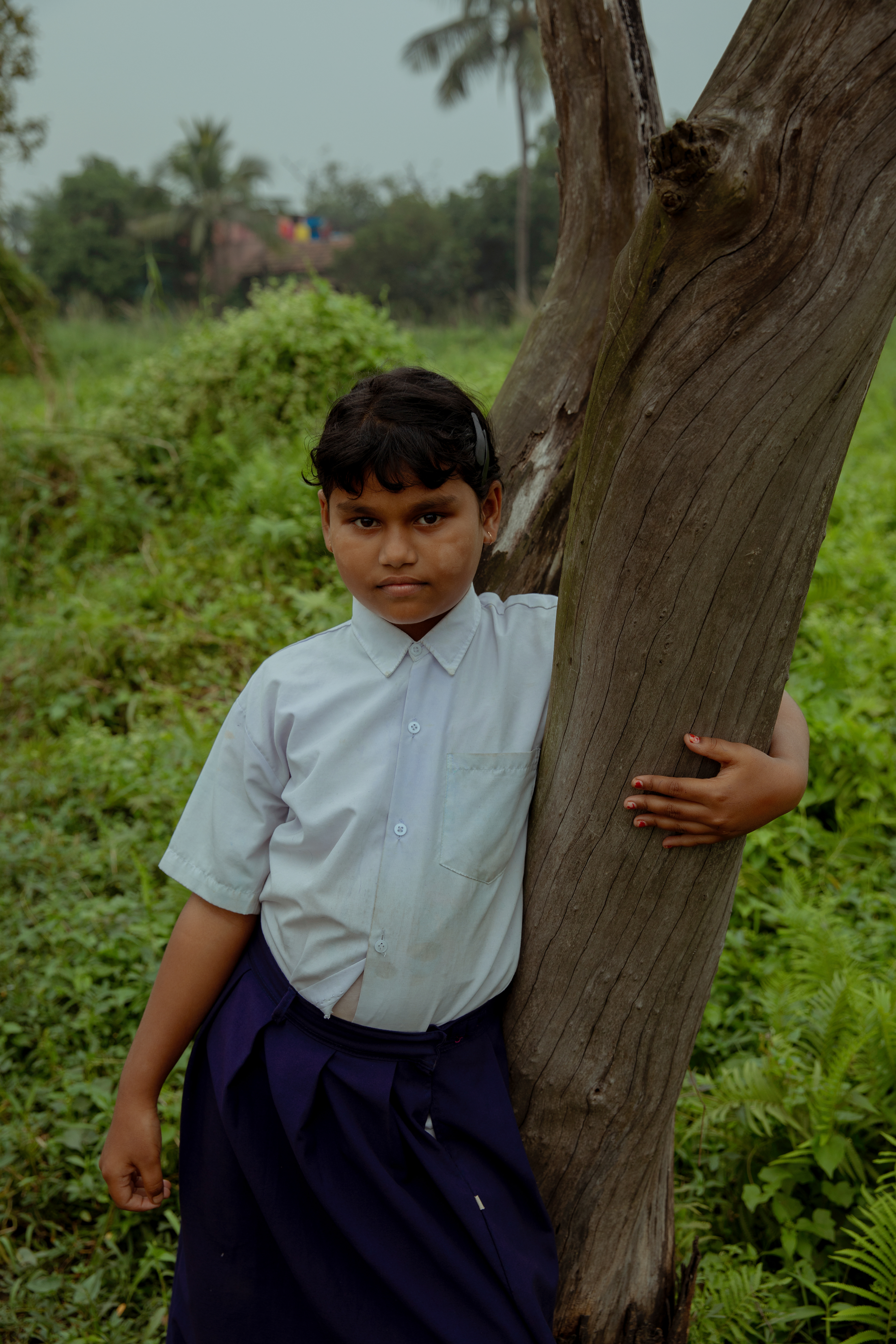
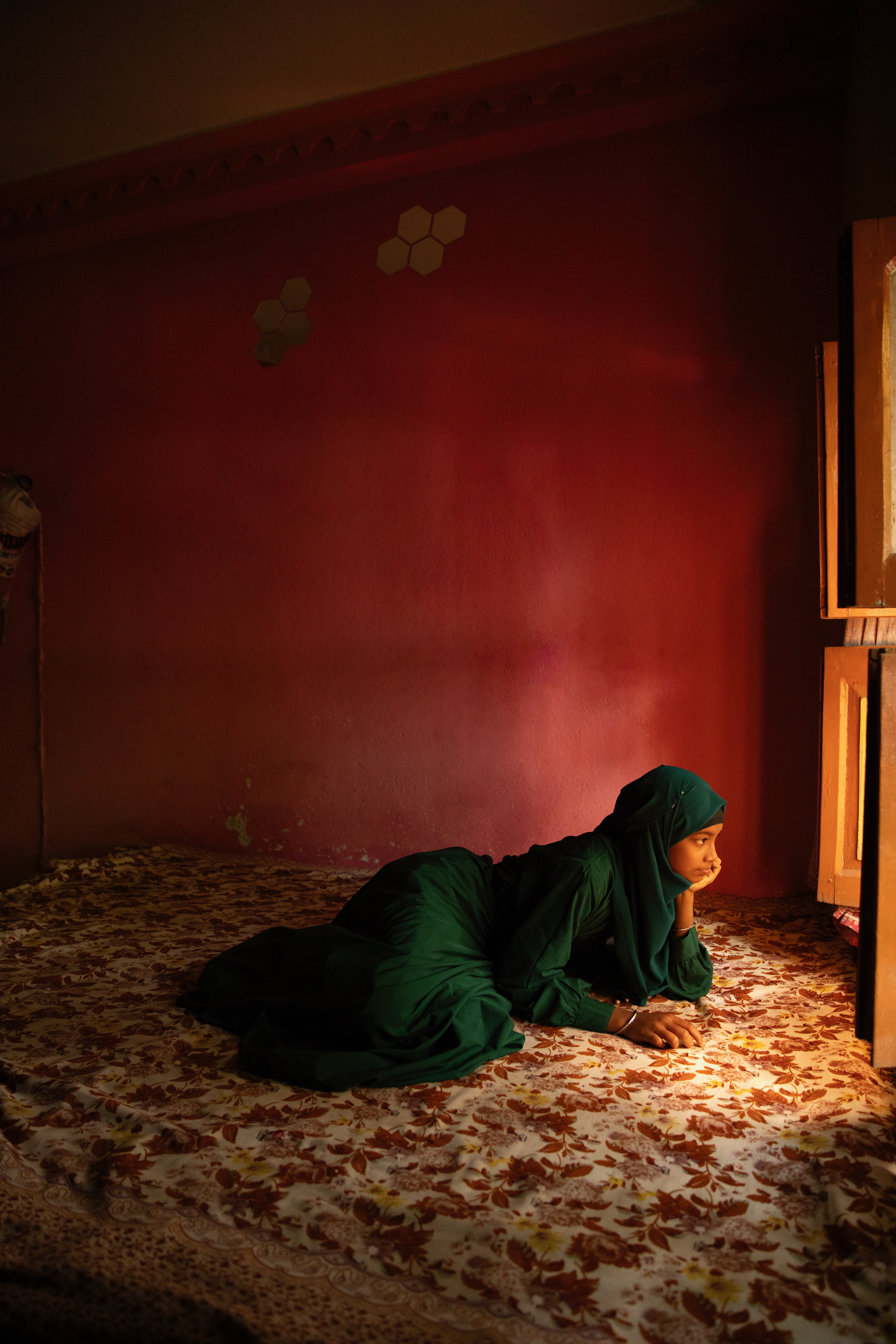
A village on the wetland fringes of Kolkata: a place where the past is not simply remembered but lived, enacted daily in gestures of deference, in the silent hierarchies of caste and gender, in the very texture of the air-thick with the inertia of tradition and the unspoken violence of exclusion. Here, life is quieter, outwardly simple, the pace of days measured by the rhythm of old certainties. Yet beneath this apparent tranquility, the village is a site of containment, especially for its girls-whose lives are shaped by invisibility, whose aspirations are disciplined by the patriarchal order.
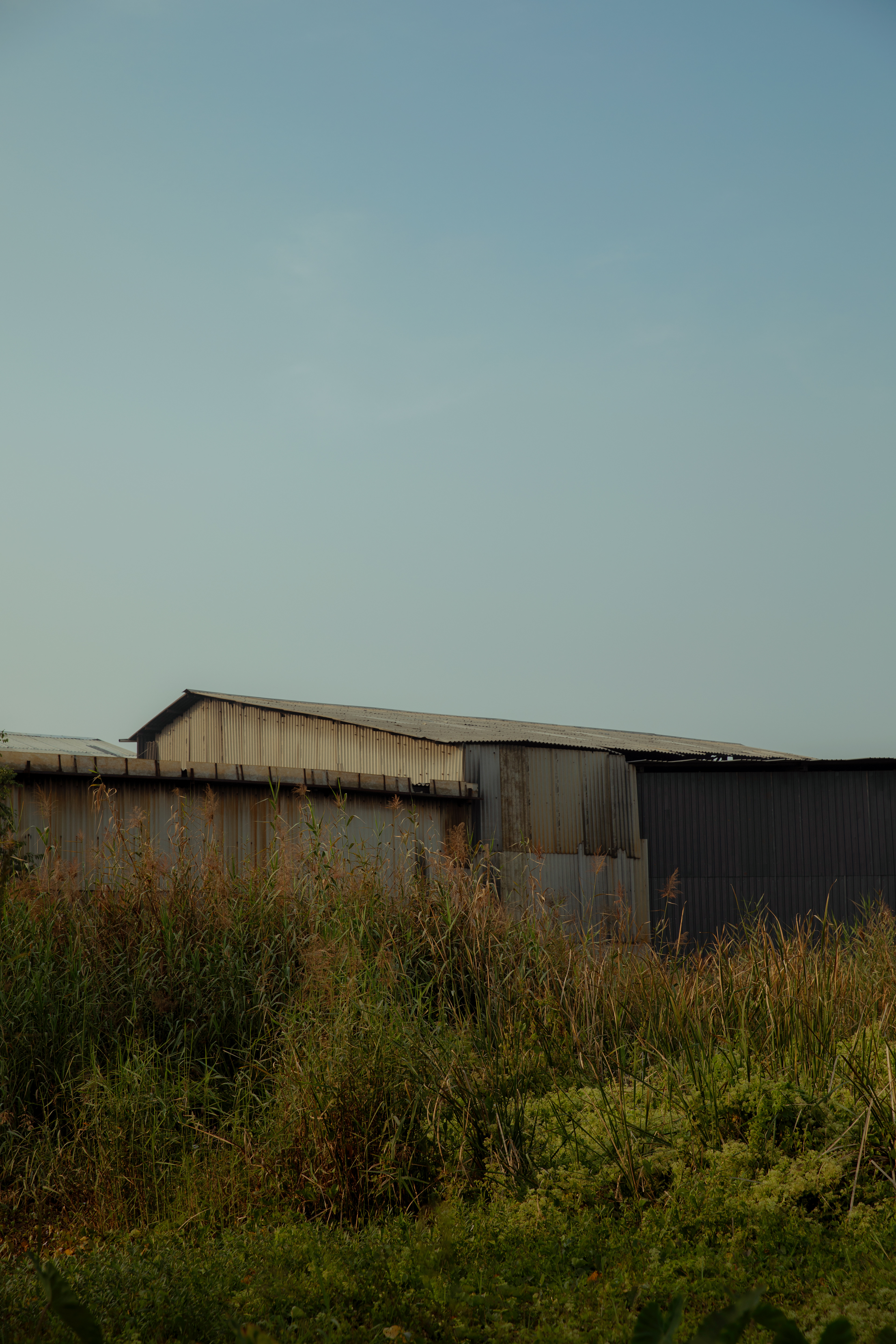
A few meters away, the landscape shifts. Factories, inconspicuous at first, begin their slow encroachment. Their presence is not merely economic but ontological: they offer the possibility of rupture, of a new narrative. For the young-especially for the girls-the factory is both promise and threat. To step inside is to risk the sweetness of village life, its familiar rituals, its consoling repetitions. But it is also to risk being seen, to shed the invisibility that tradition has imposed.
The question, then, is not simply whether independence requires the sacrifice of the village’s gentler virtues, but whether these virtues were ever truly available to all. Can the sweetness of village life coexist with the visibility and autonomy that modernity offers, or is the very idea of coexistence a sentimental fiction? Will the invisible labor of women-so long hidden in the shadows of both home and field-finally be recognized, or will it be merely transposed to new, industrial forms of obscurity?
To pose these questions is not to resolve them. The village and the factory are not metaphors but realities, each with its own demands, each with its own forms of violence and possibility. What is required is not nostalgia for a lost simplicity, but a rigorous attention to the textures of change: to the ways in which modernity unsettles, exposes, and perhaps, just perhaps, liberates